

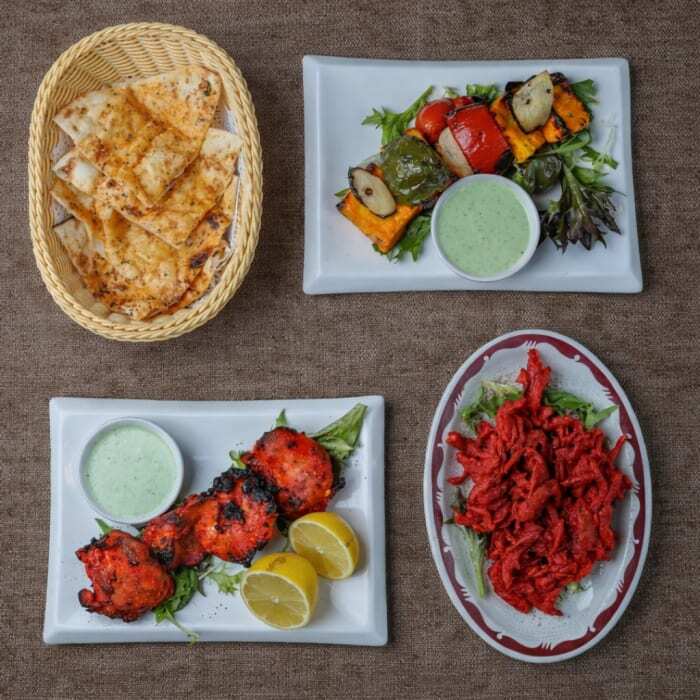
Indian cooking without spices? That is like a celebration without guests. At Dawat "The Invitation", we believe spices are not just ingredients. They are stories, histories, and emotions packed into tiny seeds, roots, and dried leaves.
We want to walk you through what makes authentic Indian spices so special, where they actually come from, and why they genuinely matter on your plate.
What Are Authentic Indian Spices?
Not all spices sold under Indian labels are the real thing. Authentic Indian spices come from specific regions, grown under particular climatic conditions that directly shape their flavour, aroma, and colour.
Here are some of the most important ones:
• Turmeric – Grown in Erode (Tamil Nadu), known for its deep golden colour and earthy warmth
• Cardamom – From the misty hills of Kerala and Karnataka, rich and intensely aromatic
• Black Pepper – Native to Kerala's Malabar Coast, sharp and bold
• Cumin – Rajasthan and Gujarat produce some of India's finest, with a warm, nutty depth
• Coriander – Widely grown across Madhya Pradesh, mild yet fragrant
• Kashmiri Red Chilli – Prized for its brilliant red colour and moderate heat
Each spice carries the fingerprint of its soil. That is something you simply cannot replicate in a factory.
Where Do They Come From? A Quick Regional Picture
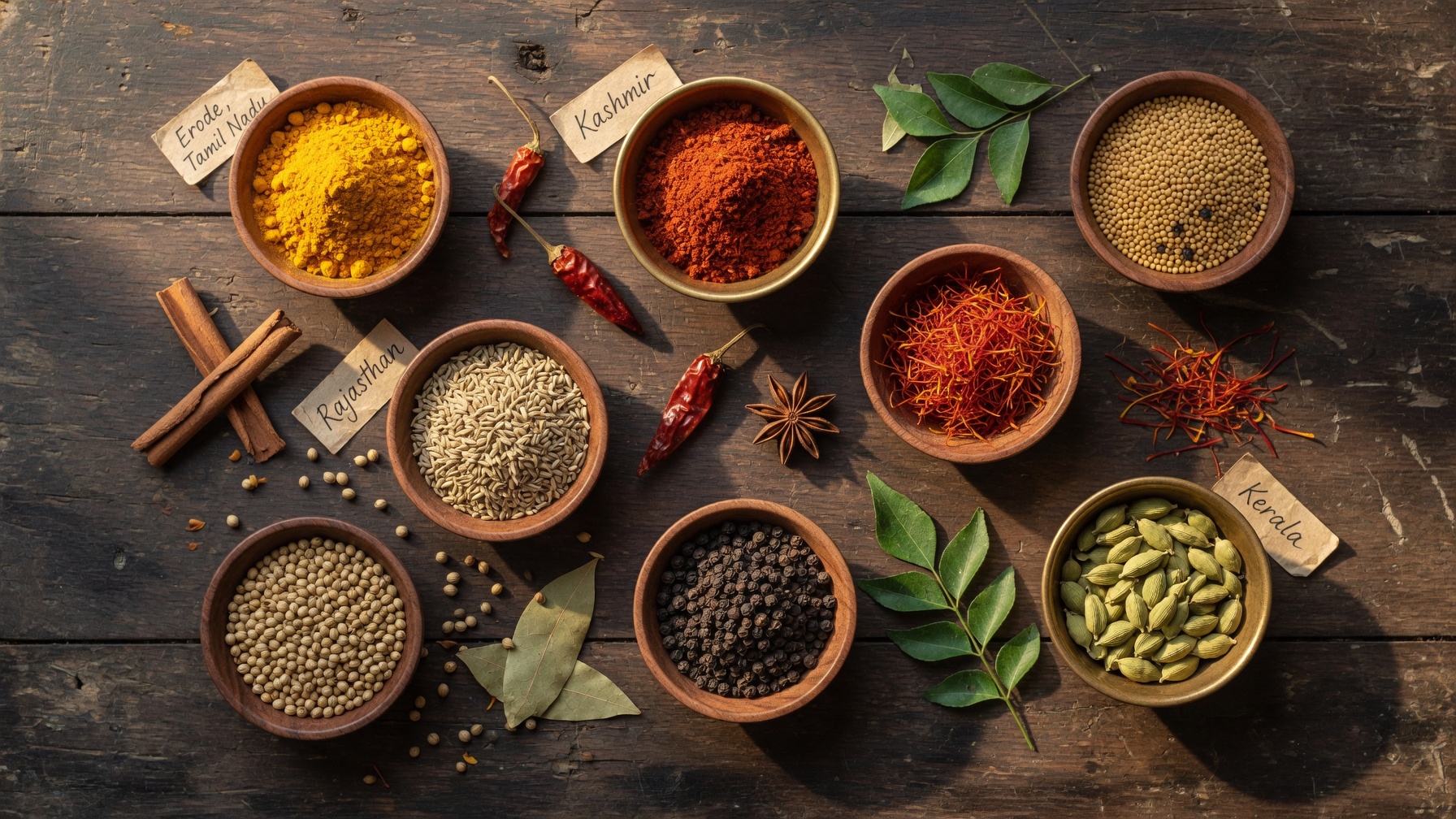
India's geography is remarkably diverse, and that diversity shows up directly in its spice produce.
South India
The humid, tropical climate of Kerala gave the world black pepper, cardamom, and cloves. These spices travelled the ancient Spice Route to Europe and the Middle East long before modern trade existed.
North India
The dry, semi-arid belt of Rajasthan is ideal for cumin and fenugreek. Meanwhile, Kashmir contributes its legendary saffron and dried chillis that colour curries beautifully without burning the palate.
East India
West Bengal and Assam bring mustard seeds and panch phoron (a five-spice blend) that define Bengali cuisine completely.
Each region developed its own spice culture over centuries. This is not coincidence. It is culinary geography at its finest.
Why Authentic Indian Spices Actually Matter
Here is where things get genuinely interesting. The difference between authentic and generic spices is not subtle. It is dramatic.
Flavour depth is the most obvious one. A fresh, region-specific cumin releases oils that a warehouse-stored generic version simply does not. Your food tastes alive.
Beyond taste, there are real benefits:
• Turmeric contains curcumin, a compound with well-researched anti-inflammatory properties
• Cardamom supports digestion and freshens breath naturally
• Black pepper improves absorption of nutrients, including curcumin itself
• Fenugreek has traditionally been used to support blood sugar balance
These are not marketing claims. These are practices rooted in Ayurveda and centuries of lived experience.
How We Bring Authentic Spices to Your Table
At Dawat "The Invitation", our dishes are built around these very principles. We source spices that reflect genuine Indian regional cooking traditions, not a generic curry powder that flattens everything into sameness.
Our menu carries the character of actual Indian kitchens, including:
• Slow-cooked biryanis where whole spices bloom in clarified butter
• Regional curries that use specific spice combinations true to their origin
• Tandoori preparations marinated with hand-ground spice blends
Every dish we serve is an invitation to experience real Indian flavour, not a diluted version of it.
Conclusion: Spices Are the Soul of Indian Food
Authentic Indian spices are not decoration. They are the foundation of everything. They carry culture, nutrition, and centuries of knowledge in every pinch and pod.
When you dine with us at Dawat "The Invitation", you are not just eating a meal. You are connecting with a culinary tradition that has shaped civilisations, inspired trade routes, and brought people together across the world.
That, truly, is the invitation we extend to every guest who walks through our doors.


